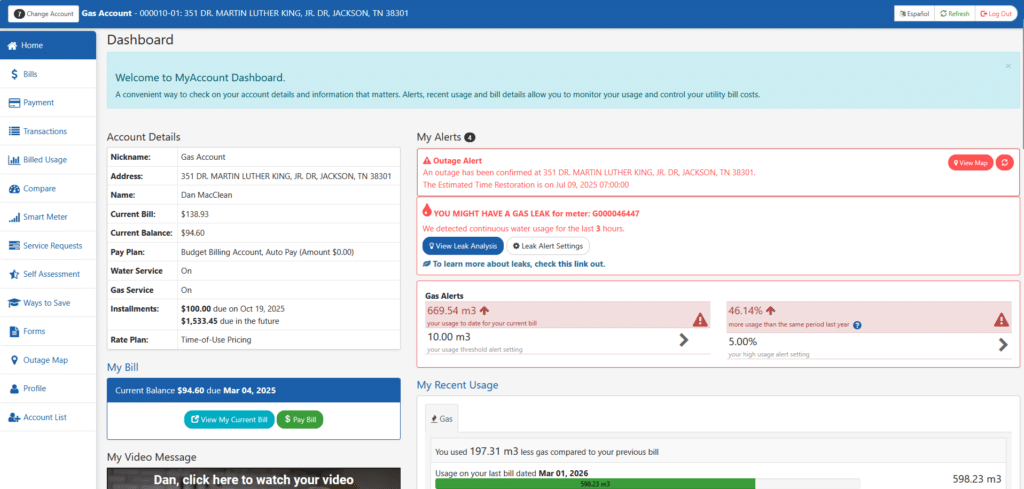
For utilities navigating the shift to cloud-based operations, selecting the right customer engagement platform is one of the most consequential technology decisions on the table. The platform you choose will shape how customers interact with your utility, how efficiently your teams operate, and how well you adapt to evolving regulatory and market demands.
But with a growing number of vendors and solutions available, how do you evaluate your options and make the right call? This guide walks through the key factors utility leaders should consider when choosing a customer engagement platform that aligns with a cloud-based utility strategy.
Table of Contents
ToggleWhy a Customer Engagement Platform Matters for Cloud-Based Utilities
A customer engagement platform serves as the digital front door for your utility. It connects customers to their accounts, usage data, billing information, and service requests through a unified, self-service experience. When that platform is built for the cloud, it gains the scalability, reliability, and integration flexibility that modern utilities need.
Cloud-based customer engagement platforms allow utilities to move away from rigid, on-premises systems that require heavy IT overhead. Instead, they offer dynamic infrastructure that scales with your customer base, supports real-time data access, and integrates with existing billing and operations systems without costly custom development. As we explored in How Cloud Solutions Help Utilities Control Operating Expenses, the cost advantages of this approach are significant and measurable.
More importantly, the right platform positions your utility to meet rising customer expectations. Today’s utility customers expect the same seamless digital experience they get from banks, retailers, and telecom providers. A well-chosen customer engagement platform delivers that experience while reducing operational costs.
Key Features to Look for in a Customer Engagement Platform
Not all customer engagement platforms are created equal, and the features that matter most will depend on your utility’s size, customer base, and strategic priorities. That said, there are several capabilities that should be on every utility’s evaluation checklist.
Self-Service Portal Functionality
A robust utility self service portal is the foundation of any strong customer engagement platform. Customers should be able to view and pay bills, monitor usage, set up alerts, submit service requests, and manage their accounts without needing to call your office. Look for platforms that offer a fully customizable portal experience, so you can tailor the interface to your brand and your customers’ needs.
Cloud-Native Architecture
There is an important distinction between software that has been migrated to the cloud and software that was built for the cloud from the ground up. Cloud-native platforms are designed to take full advantage of cloud infrastructure, including automatic scaling, built-in redundancy, and streamlined updates. This architecture reduces downtime, lowers maintenance costs, and ensures your platform evolves alongside your utility’s needs. For a closer look at the security side of this equation, see How Cloud Hosting Strengthens Utility Data Protection.
Integration with Existing Systems
Your customer engagement platform does not operate in isolation. It needs to connect seamlessly with your Customer Information System (CIS), billing engine, AMI/smart meter infrastructure, outage management systems, and payment processors. Evaluate how easily the platform integrates with your current technology stack, and whether the vendor has experience working with the specific systems your utility relies on.
Mobile Responsiveness
A growing share of utility customers prefer to manage their accounts from their phones. The platform you choose should deliver a fully responsive, mobile-optimized experience that mirrors the functionality of the desktop portal. As outlined in What Do Utility Customers Expect from Self-Service Portals?, mobile responsiveness is no longer optional – it is a baseline expectation.
Proactive Communication Tools
The best customer engagement platforms go beyond reactive self-service. They enable utilities to send proactive notifications through SMS, email, and in-app messaging, whether it is a billing reminder, an outage alert, or a usage threshold notification. This kind of proactive utility customer engagement builds trust and reduces inbound call volume.
Security and Compliance Considerations
Utilities handle sensitive customer data, from billing details to usage patterns. Any customer engagement platform you evaluate must meet rigorous security and compliance standards.
Look for platforms hosted on enterprise-grade cloud infrastructure with certifications such as ISO 27001, SOC 2, and compliance with regional data privacy regulations. The platform should also support role-based access controls, data encryption at rest and in transit, and regular third-party security audits. We covered the compliance angle in more detail in How Utilities Use Customer Portals to Meet Regulatory Compliance.
Regulatory compliance is not static, either. As data privacy requirements evolve across the U.S. and Canada, your platform vendor should have a clear track record of staying ahead of these changes and updating their infrastructure accordingly.
Evaluating Vendor Experience and Support
Technology is only part of the equation. The vendor behind the platform matters just as much. When evaluating potential partners, there are several factors worth weighing.
First, look at the vendor’s track record in the utility industry specifically. A platform built for general customer engagement may lack the utility-specific workflows, integrations, and compliance awareness that your organization requires. Vendors with deep utility expertise understand the nuances of billing cycles, rate structures, and regulatory reporting.
Second, evaluate the implementation process. How long does deployment typically take? What level of customization is available? Does the vendor provide dedicated onboarding support, or are you left to configure the platform on your own? Silverblaze has published a helpful overview of how to implement a customer portal for utilities that walks through what this process looks like in practice.
Third, consider ongoing support and product development. A strong vendor relationship means access to responsive technical support, regular platform updates, and a product roadmap that reflects the evolving needs of the utility sector.
Scalability and Future-Readiness
Your utility’s needs today are not the same as they will be five years from now. Customer bases grow, regulatory requirements shift, and new technologies like advanced metering infrastructure (AMI) and distributed energy resources (DERs) create new data streams and customer touchpoints. For a deeper look at how smart meter data factors into this picture, that guide is worth a read.
The right customer engagement platform should scale with your organization without requiring a complete system overhaul. Cloud-based platforms have an inherent advantage here, as they can expand capacity on demand and incorporate new modules or integrations as your strategy evolves.
Ask prospective vendors about their approach to scalability. Can the platform support a utility serving 10,000 customers just as effectively as one serving 500,000? How are new features and capabilities rolled out? A platform that grows with you protects your investment and reduces future migration headaches.
Making the Decision: A Practical Framework
Choosing a customer engagement platform is a significant commitment. To make the process more manageable, consider structuring your evaluation around these steps.
Start by defining your must-have requirements. What are the non-negotiable capabilities your utility needs from day one? Common priorities include online bill pay, usage dashboards, outage notifications, and CIS integration.
Next, map those requirements against each vendor’s offering. Request product demonstrations and, where possible, references from utilities of a similar size and type. Pay close attention to how the platform handles the specific workflows and integrations that matter to your organization.
Finally, think beyond the technology. Assess the vendor’s culture, responsiveness, and commitment to the utility space. The best technology partnerships are built on shared goals and mutual investment in long-term success.
Choosing a Platform That Supports Your Cloud Strategy
A cloud-based utility strategy is only as strong as the platforms that support it. The right customer engagement platform will streamline operations, elevate the customer experience, and position your utility for sustainable growth in an increasingly digital landscape.
By focusing on cloud-native architecture, robust self-service capabilities, strong security, seamless integrations, and a vendor with proven utility expertise, you can make a confident, well-informed decision that serves your customers and your organization for years to come.
Ready to see what a customer engagement platform built specifically for utilities looks like in action? Schedule a demo with Silverblaze today to explore how our cloud-based Customer Portal and Smart Forms solutions can support your utility’s strategy.